Importing Pistachios into Saudi Arabia: Documents and Requirements
Saudi Arabia is the largest pistachio market in the Gulf by search demand, and one of the most regulated. Most delays at Jeddah or Dammam come from paperwork that could have been checked before the ship sailed.
This is a working guide for Saudi importers and distributors buying pistachios from abroad. It is not legal advice, and rules change — confirm current requirements with your customs broker and the Saudi Food and Drug Authority (SFDA) before each new product line. What follows is the structure that does not change much: who is responsible for what, and which documents make or break a clearance.
For the commercial side of the order — what to buy and how to specify it — start with our wholesale checklist for Gulf distributors.
Who does what
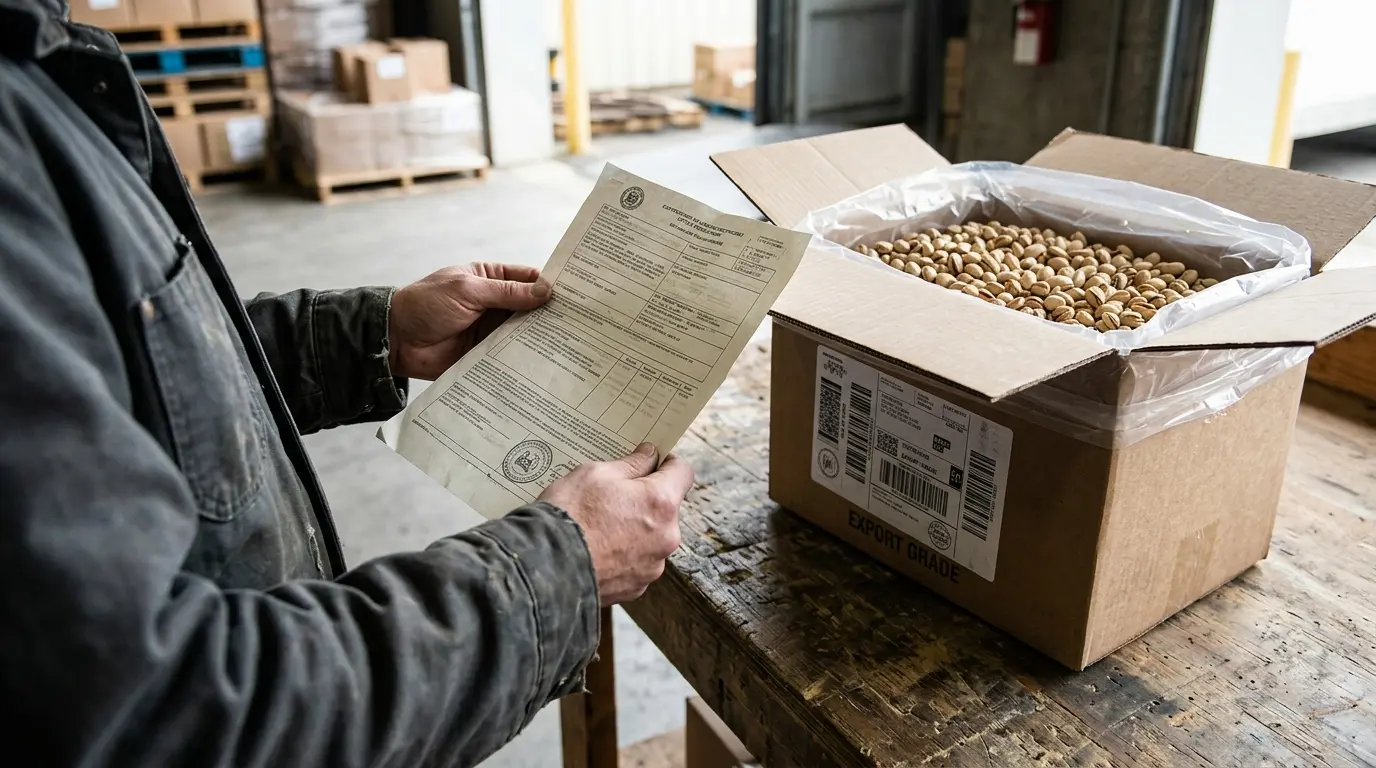
The Saudi importer is the party the authorities deal with. The importer registers with the relevant systems, files the customs declaration and answers for the goods on arrival. The exporter's job is to deliver a compliant product with complete, consistent documents. Most problems happen at the handover between the two: a certificate that names the product differently from the invoice, or a lab report that belongs to a different lot.
The documents to prepare
Documents for a pistachio shipment into Saudi Arabia
Document | Issued by | What to check |
|---|---|---|
Commercial invoice | Exporter | Product description, HS code, quantities and values identical to every other document |
Packing list | Exporter | Carton count, net and gross weights per line |
Bill of lading | Shipping line | Consignee and notify party exactly as registered by the importer |
Certificate of origin | Exporting country chamber | Origin and product description consistent with the invoice |
Health / phytosanitary certificate | Competent authority in the exporting country | Follows the model the SFDA accepts; production and expiry dates, batch numbers |
Certificate of analysis | Accredited laboratory | Lot-specific aflatoxin and moisture results |
Import documents are submitted through the FASAH platform, and the US government's guide to Saudi imports notes that importers must complete FASAH procedures by submitting documents at least 48 hours before the shipment arrives. Build that into your timeline: drafts should be agreed with your supplier well before loading.
SFDA food rules that apply to pistachios
The SFDA sets the conditions for food imports. Its published requirements say that food consignments must be accompanied by health certificates following SFDA models and issued by the competent authority of the exporting country, and that the SFDA maintains lists of countries and food establishments approved to export. For plant-origin foods, products must meet Gulf standards on pesticide residues and microbiological criteria.
In practice, this means you should ask your supplier early whether their establishment and their country's competent authority are already exporting food to Saudi Arabia, and ask for a copy of a recent health certificate as a model before your first order.
Duty and the GCC customs union
Saudi Arabia is part of the GCC customs union. The union's common external tariff is 5% on most goods imported from outside the union, any customs port in a member state counts as the point of entry for the union, and goods then move between member states without further customs restrictions. Check the exact rate for your HS code — 0802.51 for in-shell, 0802.52 for kernels — with your broker before you cost the order. VAT is charged separately.
The single-entry principle matters for logistics. Some importers bring goods in through a UAE port and truck them into the Kingdom; the route that suits you depends on where your customers are. The UAE side is covered in importing pistachios into the UAE.
Labelling and packaging
Pre-packed food sold in Saudi Arabia must carry labelling that meets the GCC standard for pre-packaged foods, including Arabic. For bulk cartons going to a processor or repacker, the carton label still needs clear product description, net weight, lot number, production and expiry dates and origin. Agree the label text with your supplier before printing and ask for a photo of a finished carton before loading.
Quality on arrival
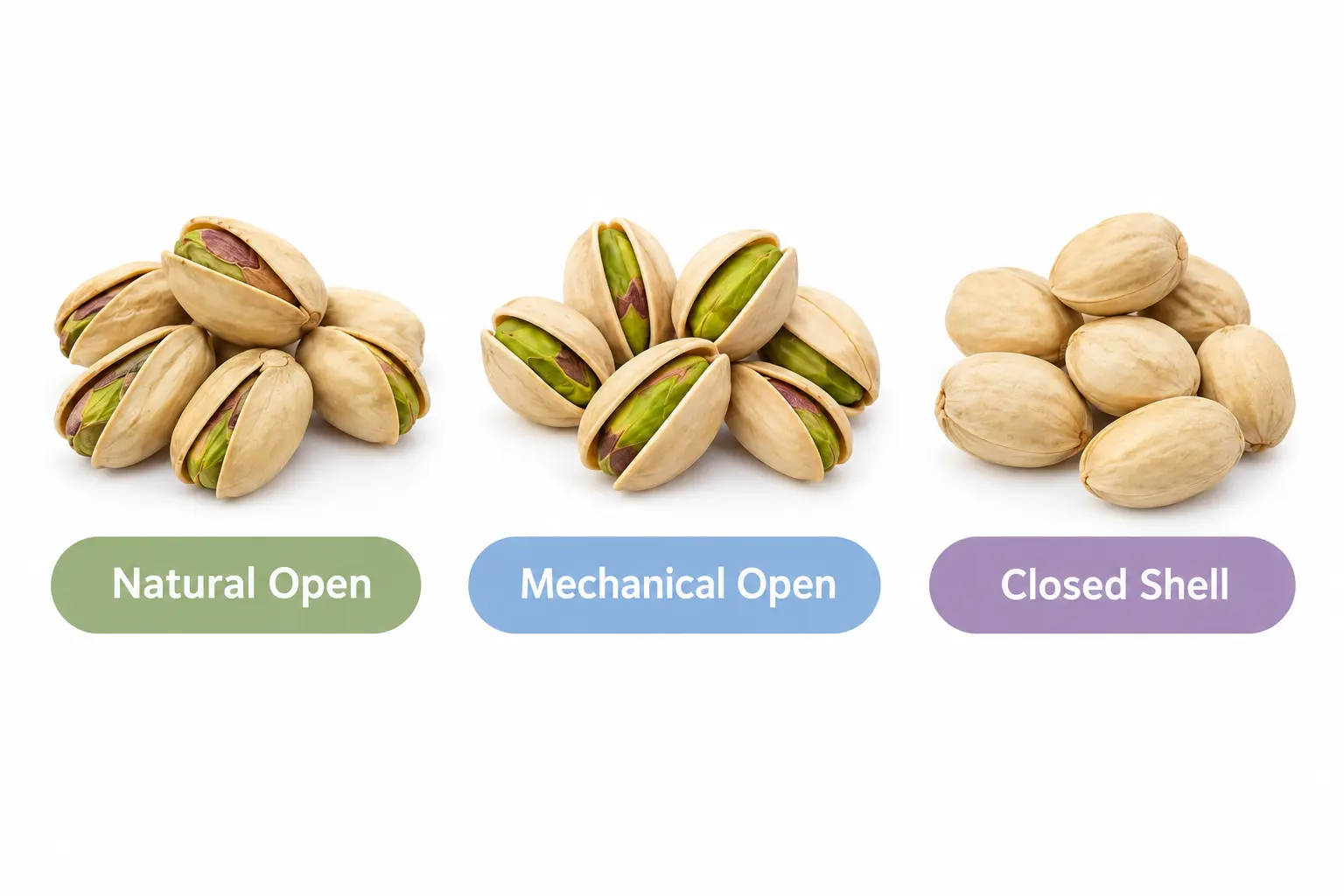
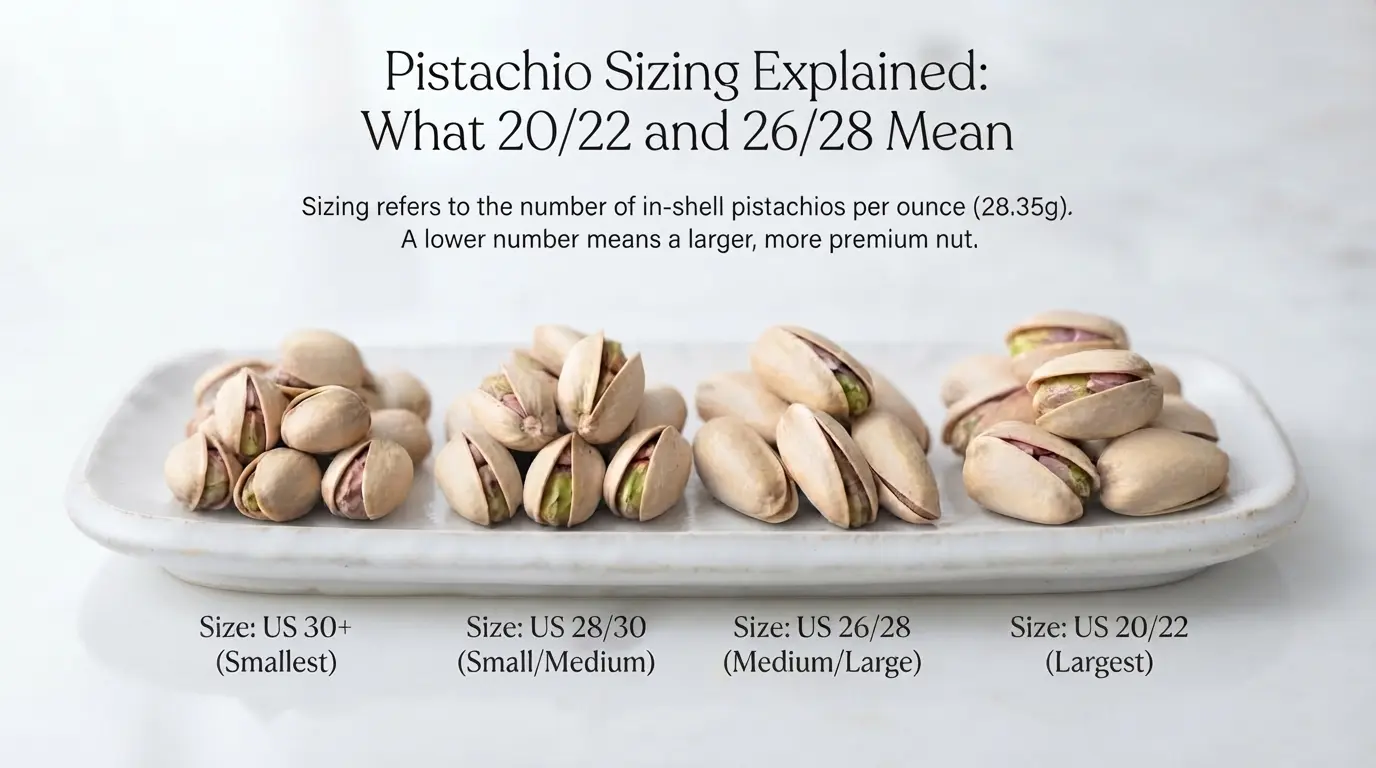
Clearance is not the end of the checks. Sample from several cartons, confirm size, shell form and kernel ratio, and keep a sealed sample per container. How to do this in twenty minutes is set out in our wholesale checklist, and the size-count method in pistachio sizing explained.
What Saudi buyers usually order
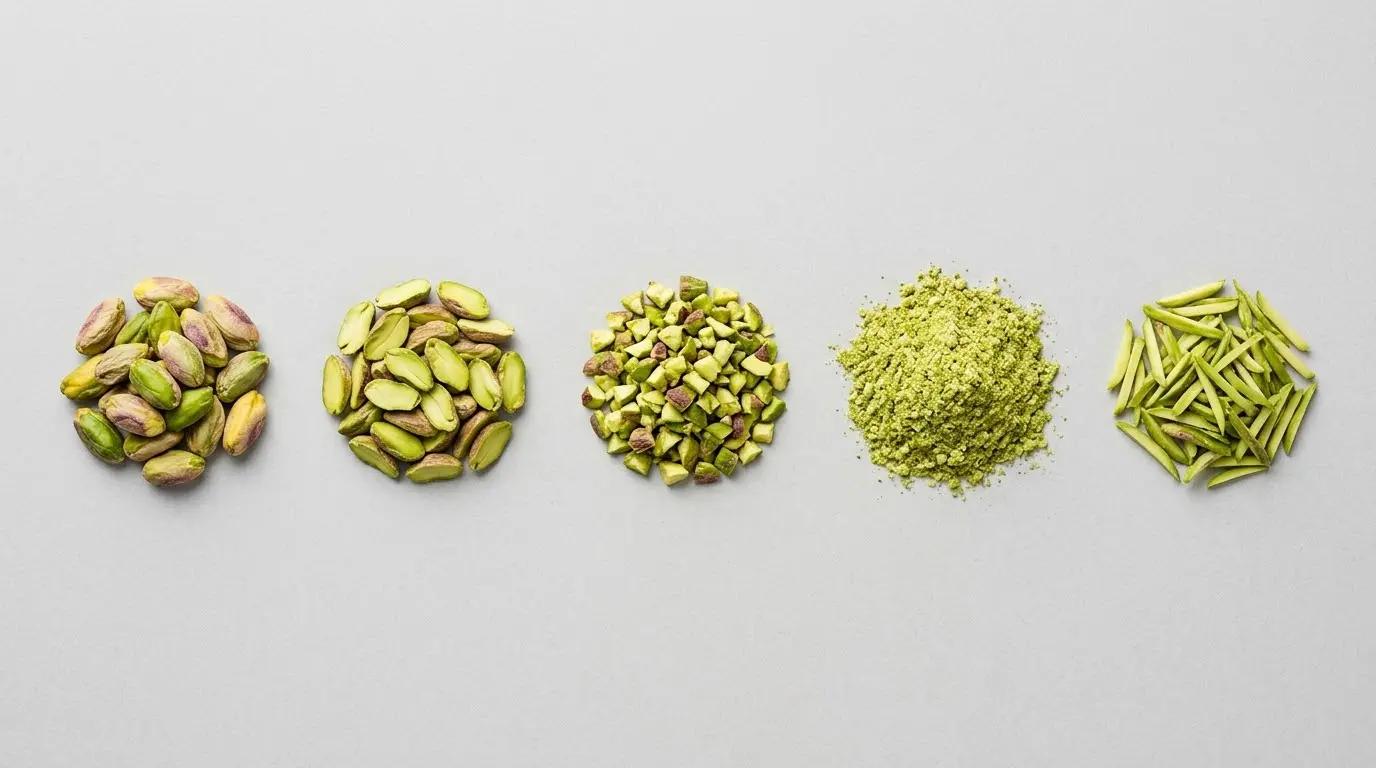
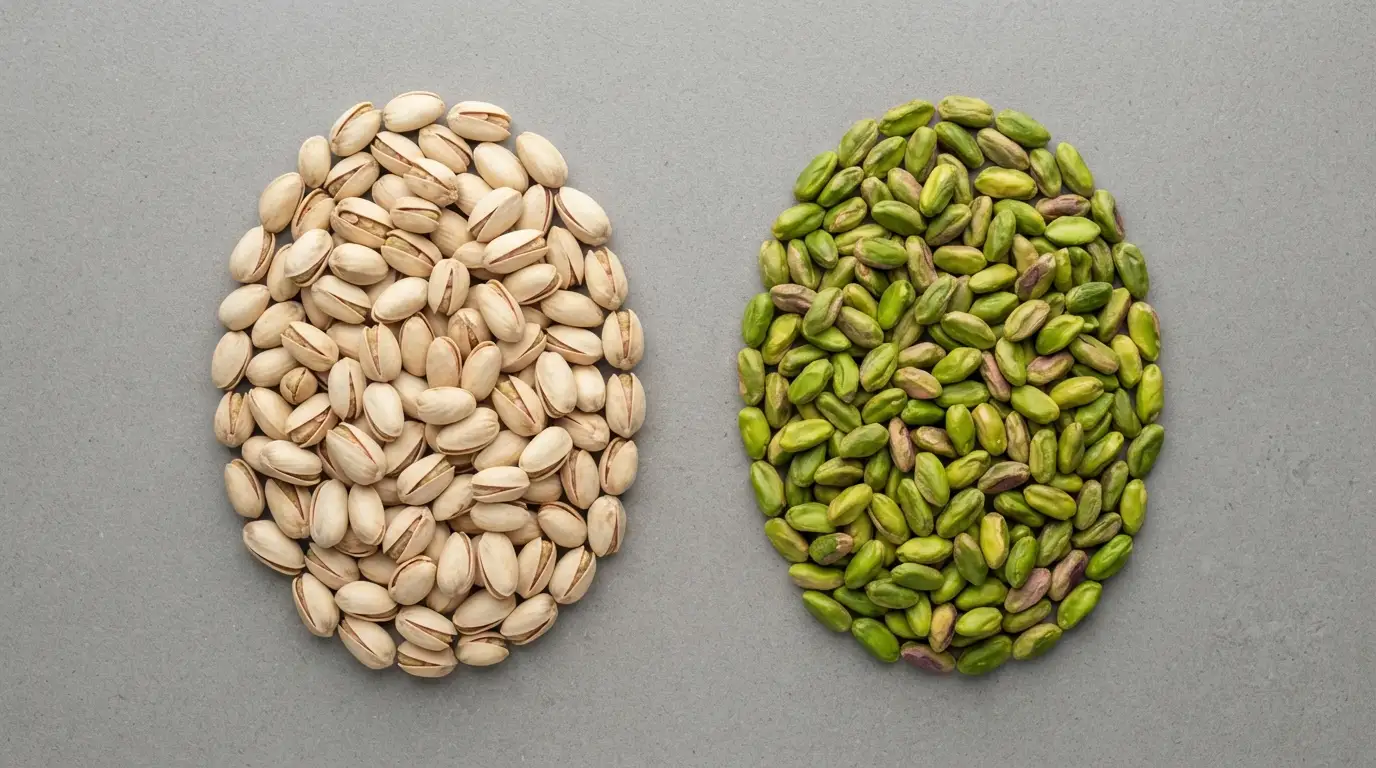
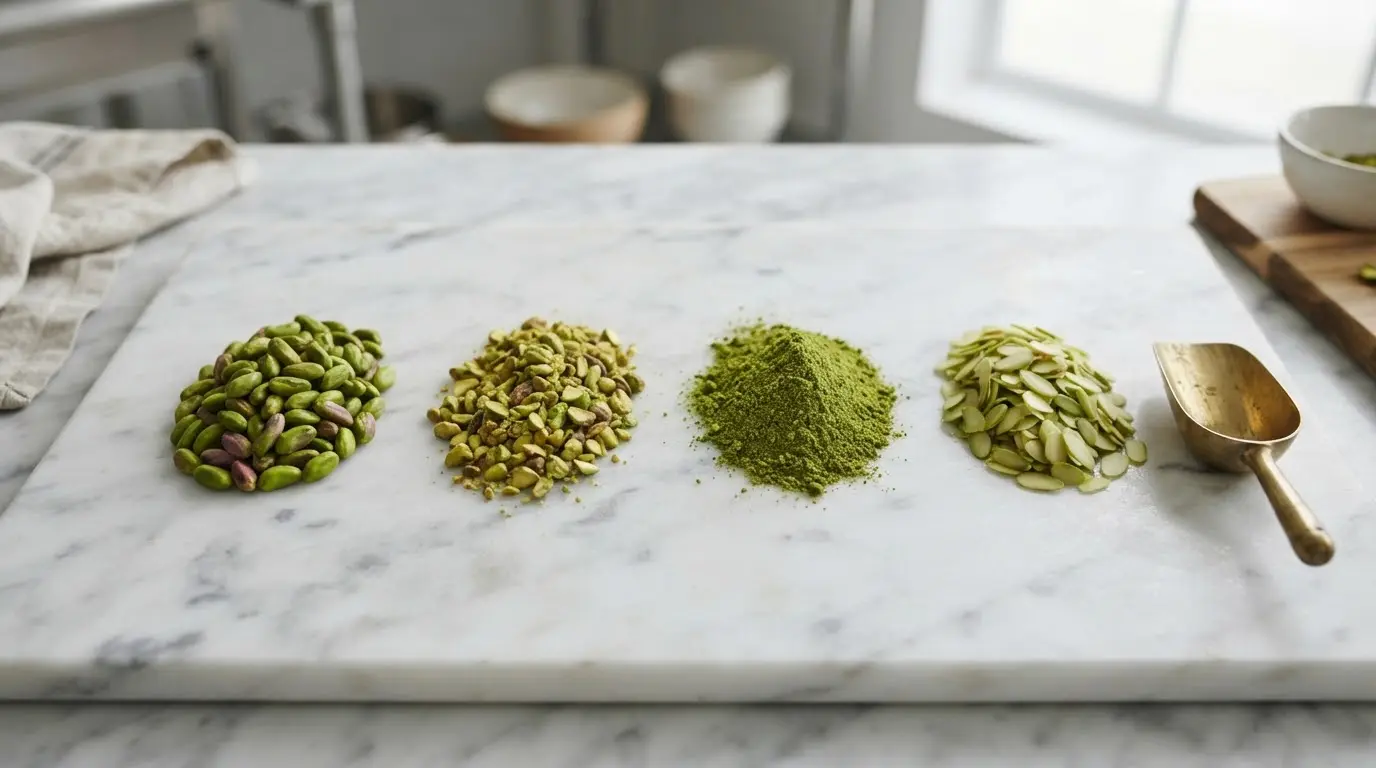
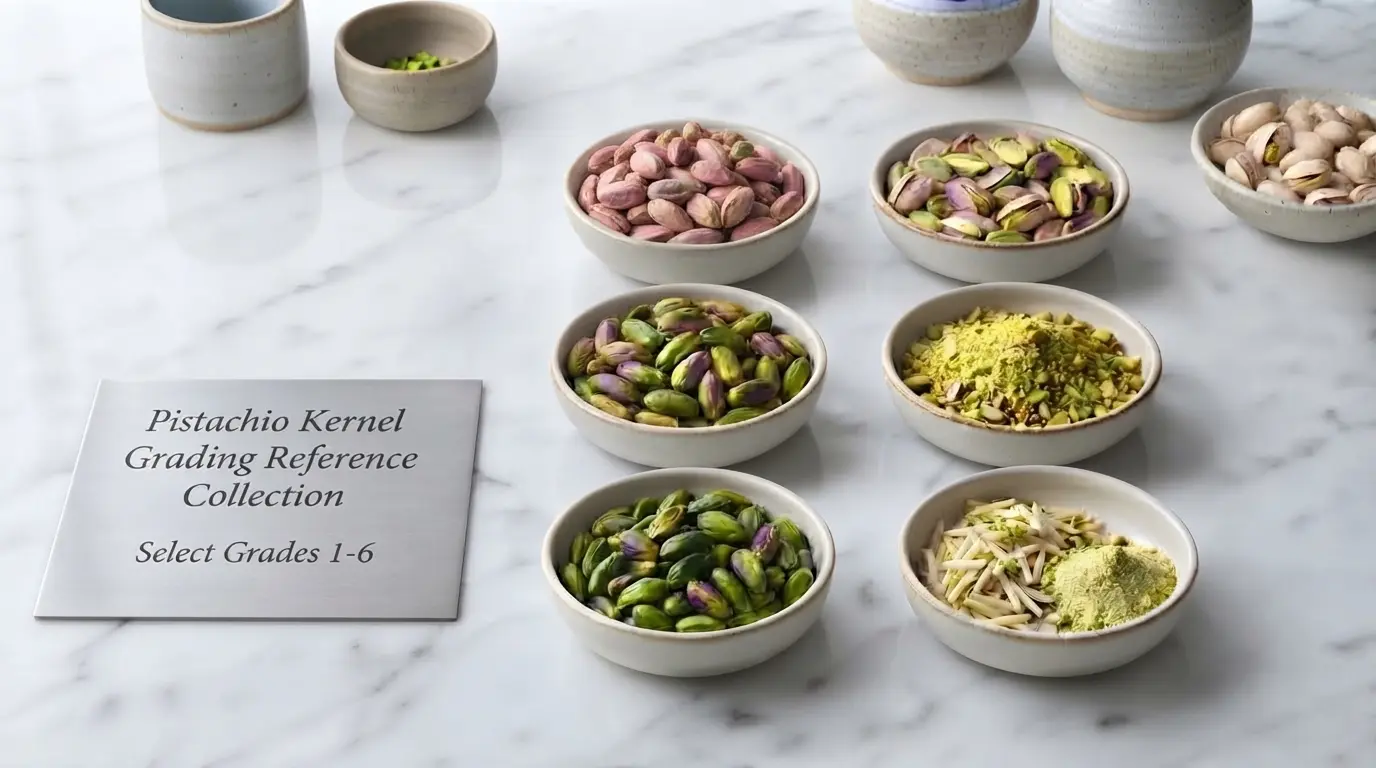
The Saudi market splits cleanly into two. Retail and majlis buyers want long or large naturally open nuts — Akbari and Jumbo, usually roasted and salted. Sweets makers want green kernel, ground and slivered pistachio for kunafa, baklava and maamoul — see pistachios for baklava and kunafa. Many distributors ship both in one mixed container.
Questions buyers ask
What documents are needed to import pistachios into Saudi Arabia?
Typically a commercial invoice, packing list, bill of lading, certificate of origin, a health or phytosanitary certificate following the model the SFDA accepts, and a lot-specific laboratory certificate of analysis. Your broker will confirm any product registrations.
What is the customs duty on pistachios in Saudi Arabia?
The GCC common external tariff is 5% on most goods from outside the union. Confirm the exact rate for HS 0802.51 or 0802.52 with your customs broker, and budget VAT separately.
Who registers the shipment with the Saudi authorities?
The Saudi importer. The exporter supplies compliant goods and consistent documents; the importer handles registration, the customs declaration and clearance.
How early must import documents be submitted in Saudi Arabia?
Import documents go through the FASAH platform, and importers are expected to submit them at least 48 hours before the shipment arrives.
Can pistachios enter Saudi Arabia through a UAE port?
Yes. Under the GCC customs union, a port in any member state can serve as the point of entry, after which goods move between member states without further customs restrictions.
Importing into the Kingdom?
We prepare draft documents before loading so your broker can check them early. Request a quote or see the product range.