Importing Pistachios into the UAE and Re-exporting from Dubai
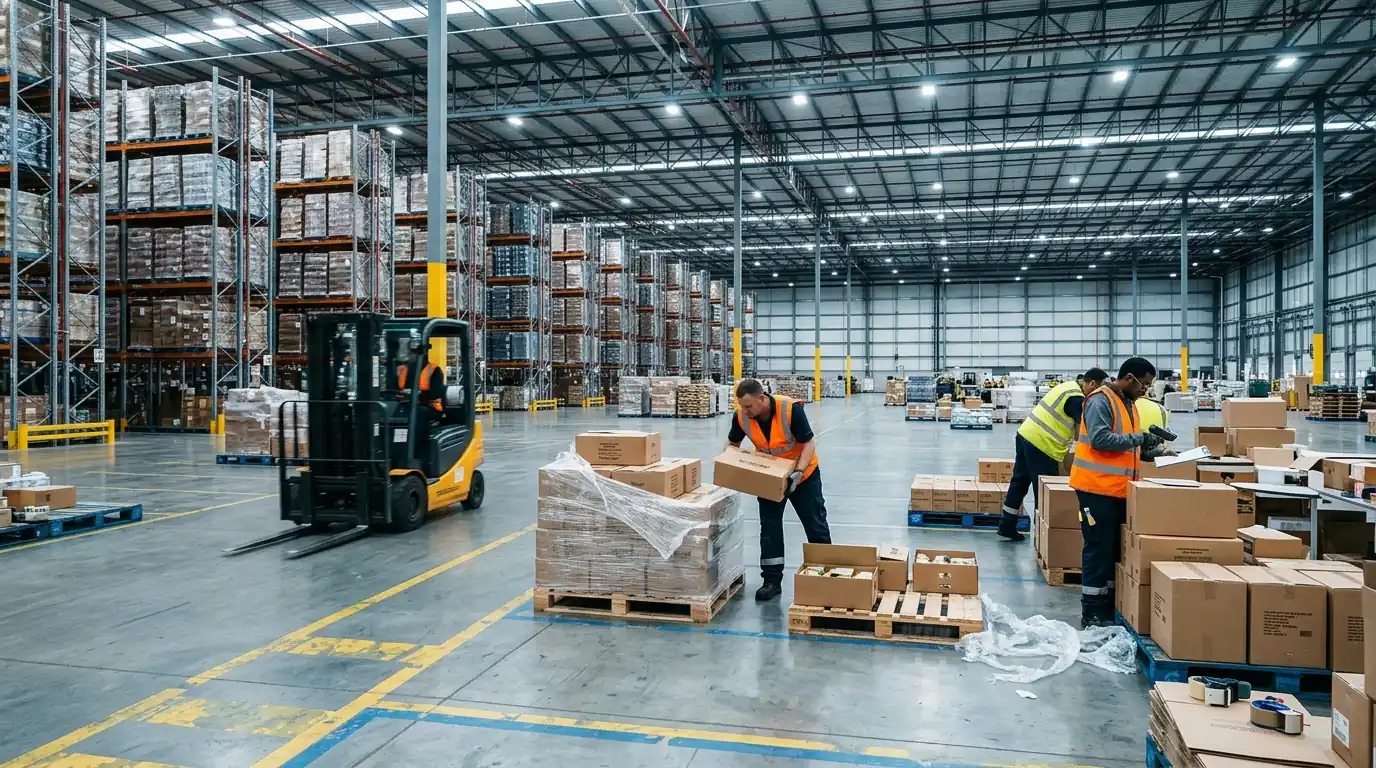
For many pistachio traders, the UAE is not only a market but a switchboard: goods land in Dubai, sit in a free zone, and move on to Saudi Arabia, Oman, Iraq or Africa. How you import depends on which of those you intend.
This guide covers the two routes a UAE buyer typically uses — importing for the local market, and holding stock for re-export — and the documents both need. Rules differ between emirates and change over time, so confirm current requirements with your broker. For product choice and specification, start with buying pistachios wholesale for the Gulf.
Route 1: importing for the UAE market
When pistachios are cleared for sale inside the UAE, the importer is the responsible party. In Dubai, food importers work with Dubai Municipality, whose food import and re-export system (widely known as FIRS) is used to register food products and process consignments; other emirates have their own food authorities. Registration is done by the UAE importer, usually with support from a customs broker, and is much faster when the exporter provides clean product information and label artwork upfront.
Duty follows the GCC customs union: a common external tariff of 5% on most goods from outside the union. Once cleared at a UAE port, goods can move to other GCC states without further customs restrictions, which is why some Saudi importers route through the UAE — see importing pistachios into Saudi Arabia. Confirm the exact rate for HS 0802.51 or 0802.52 with your broker, and budget VAT separately.
Route 2: free zone stock for re-export
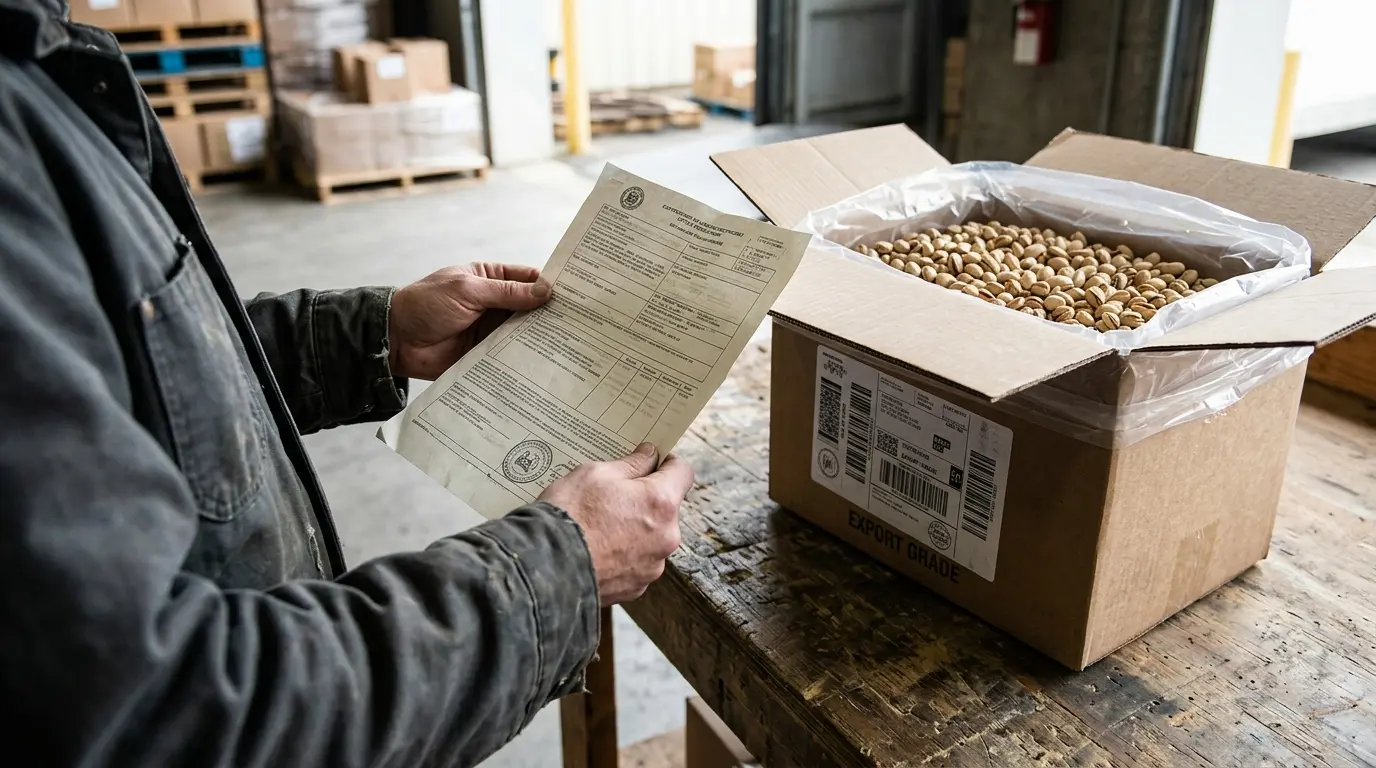
The UAE's free zones allow goods to be stored, repacked and traded without entering the local customs territory. Pistachios landed into a free-zone warehouse can be held and then shipped on to other markets, with customs formalities for the destination handled at that point. For traders who sell into several countries, this means one container from origin can become many smaller shipments, each with its own paperwork.
Two practical cautions. First, repacking in a free zone does not change a product's origin; certificates must stay truthful to where the pistachios were grown and processed. Second, the destination country still sets the rules — an Iraqi or Omani buyer will ask for the documents their authorities require, not the UAE's.
Documents for either route
Commercial invoice and packing list, consistent line by line.
Bill of lading with the consignee exactly as registered.
Certificate of origin.
Health or phytosanitary certificate from the exporting country's competent authority.
Lot-specific certificate of analysis for aflatoxin and moisture.
Label artwork for retail packs, including Arabic, in line with the GCC standard for pre-packaged foods.
What sells through Dubai
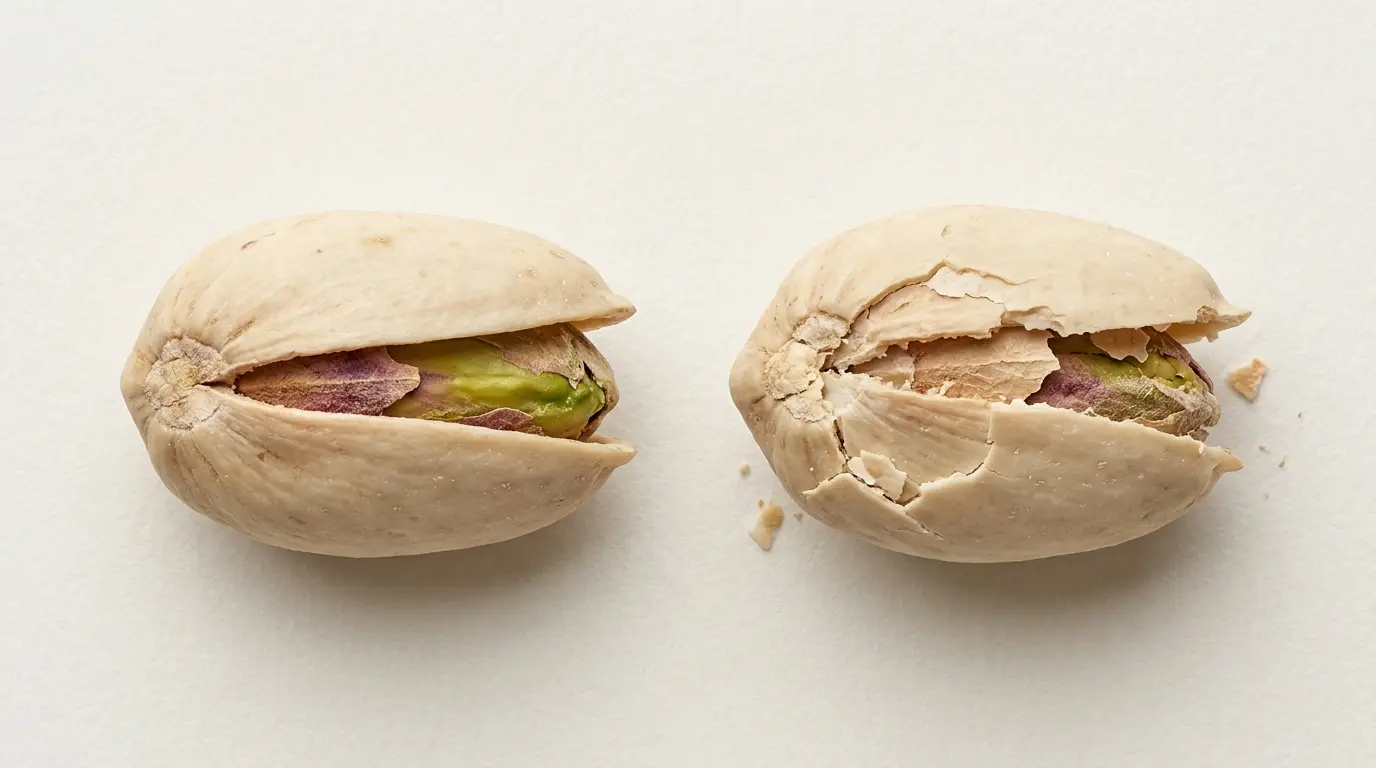
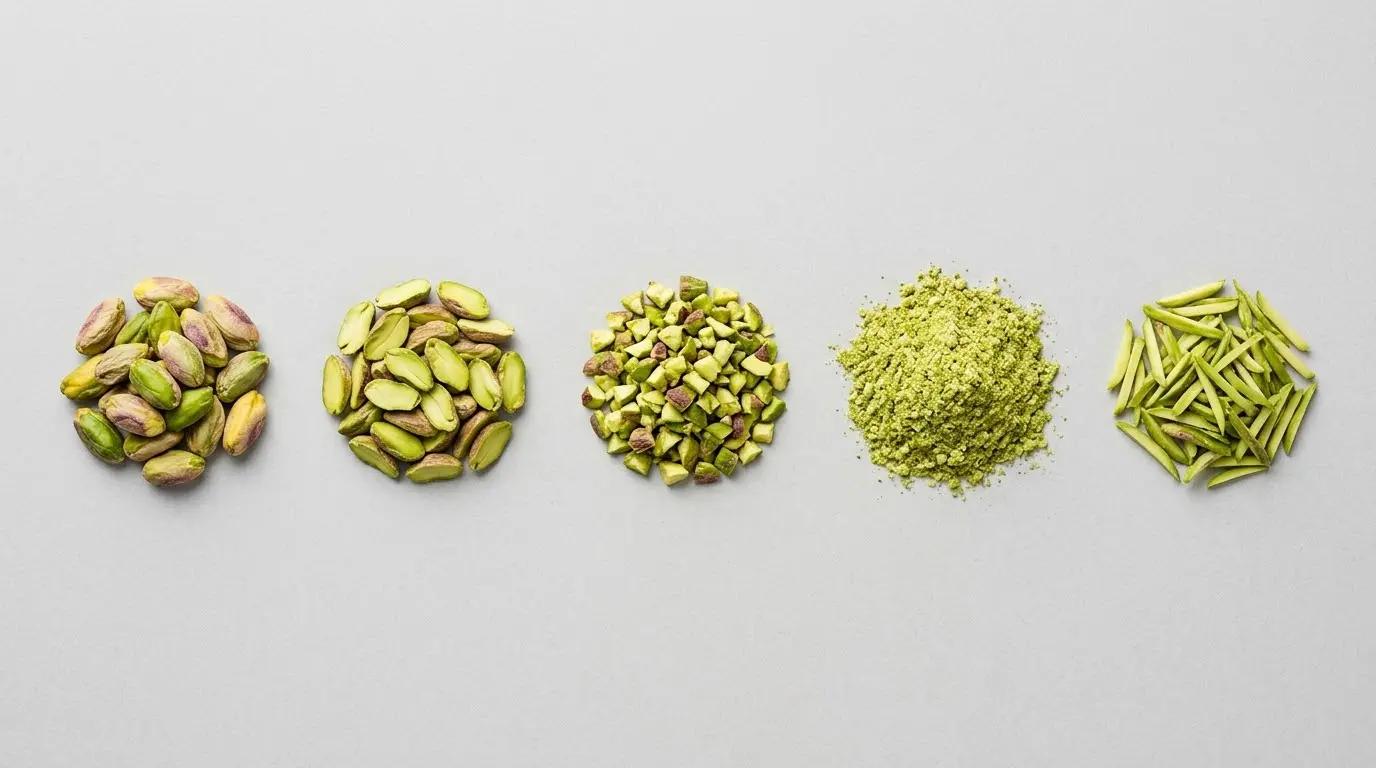
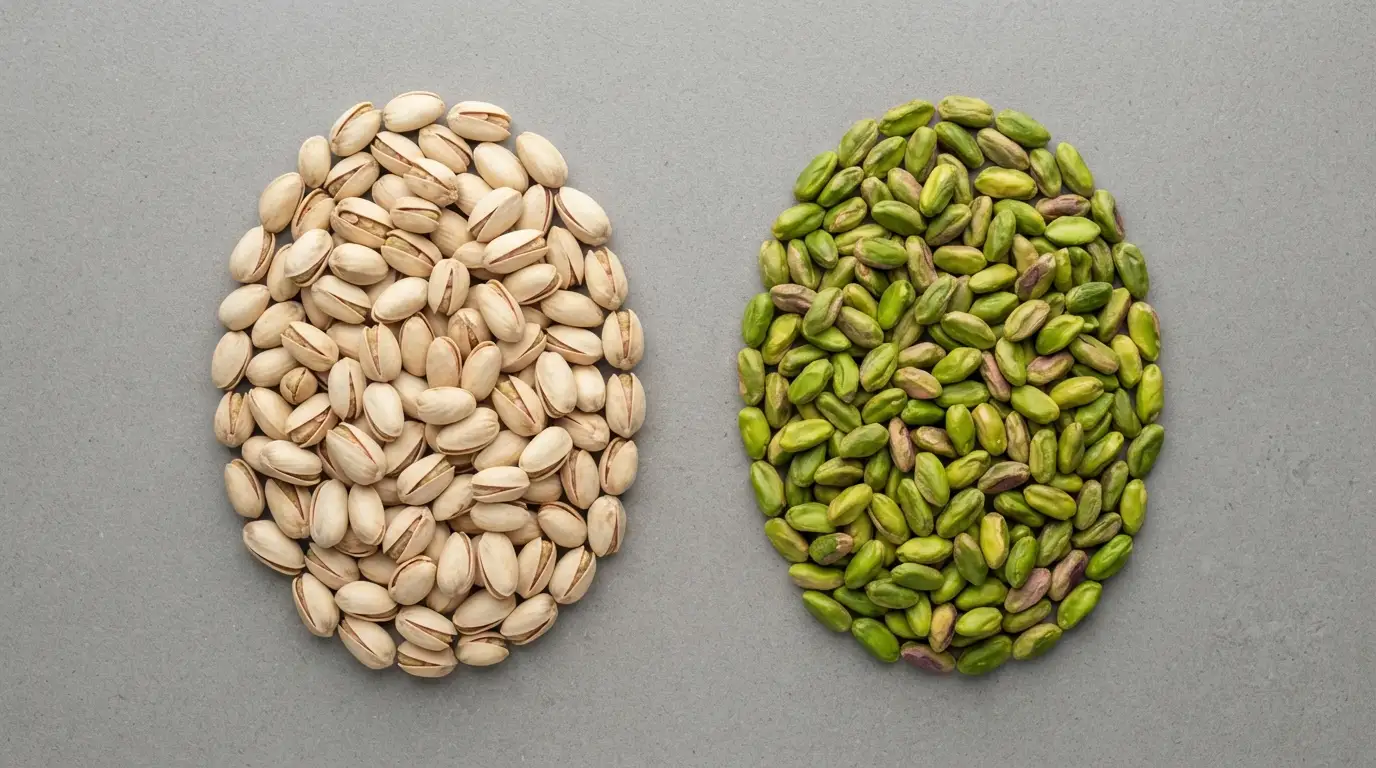
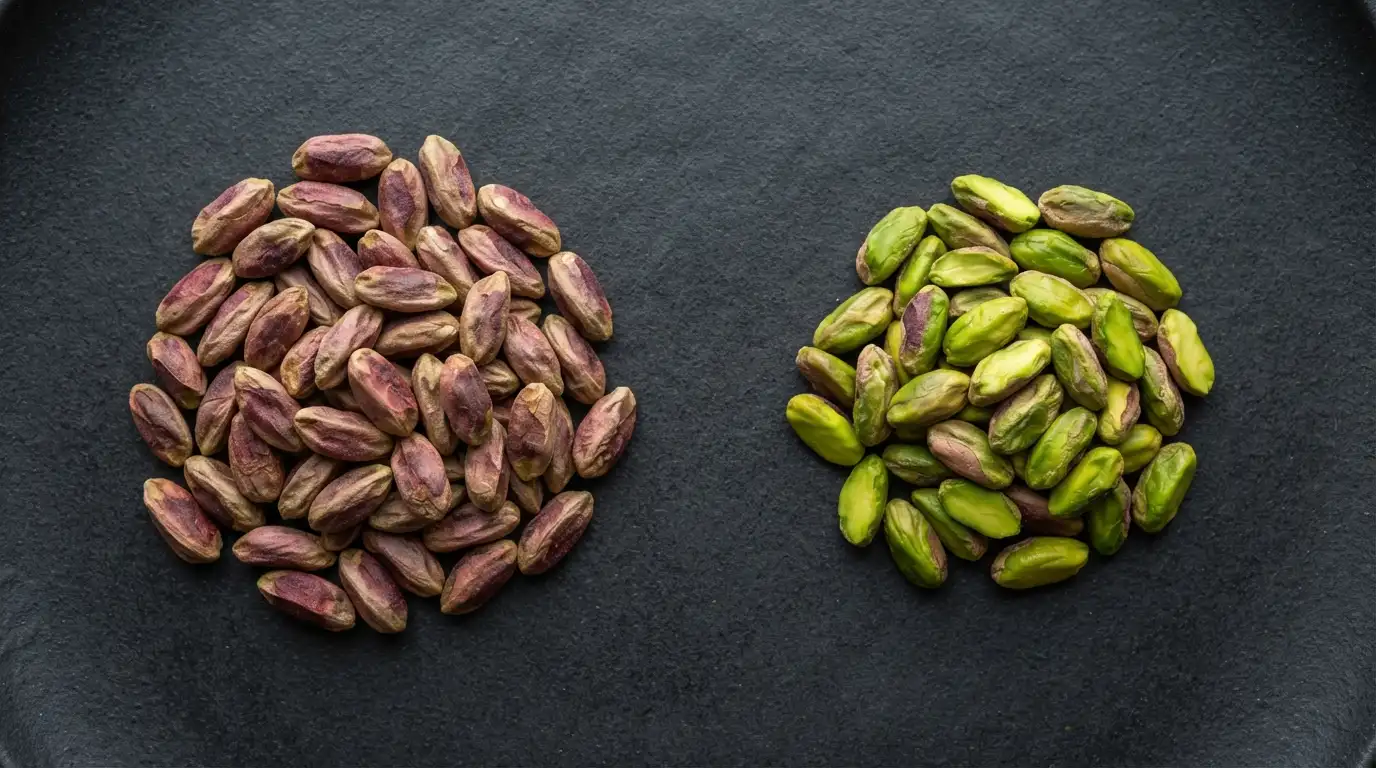
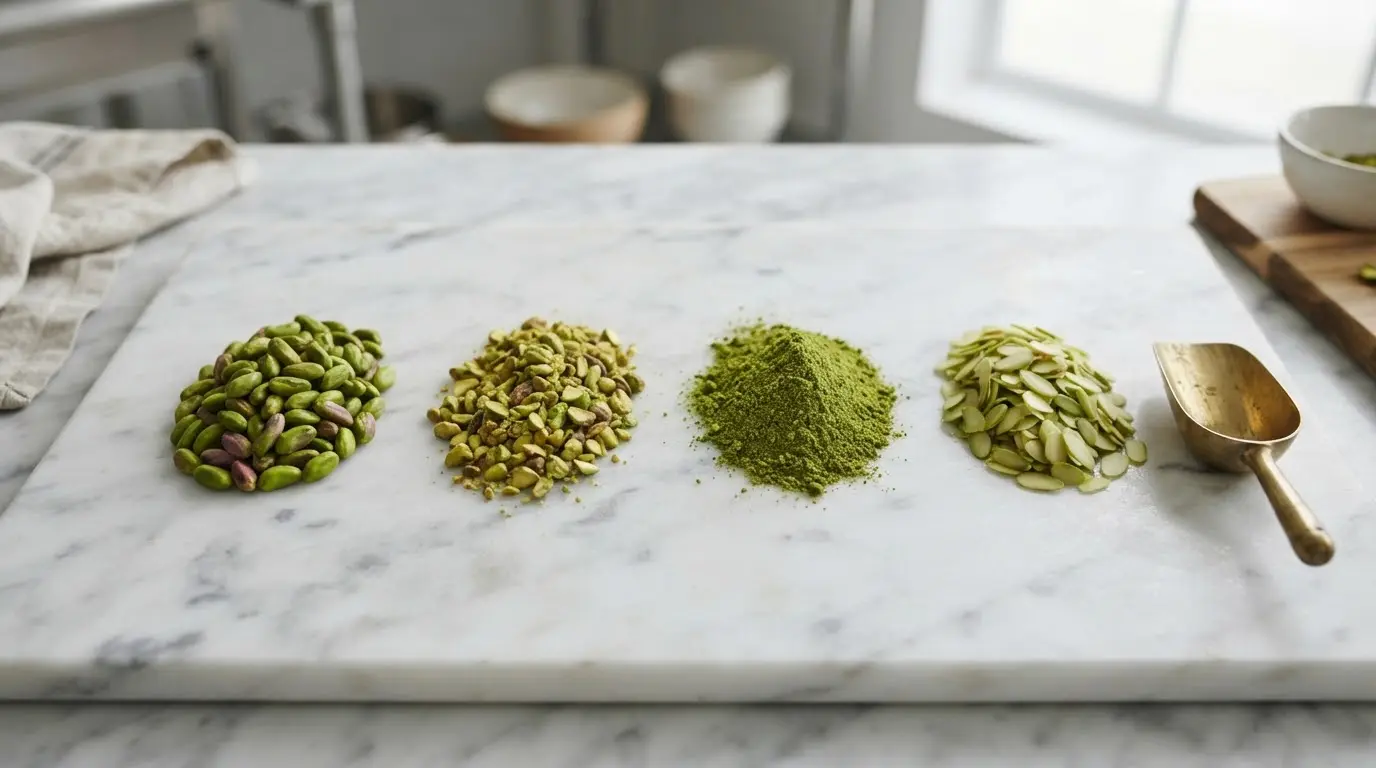
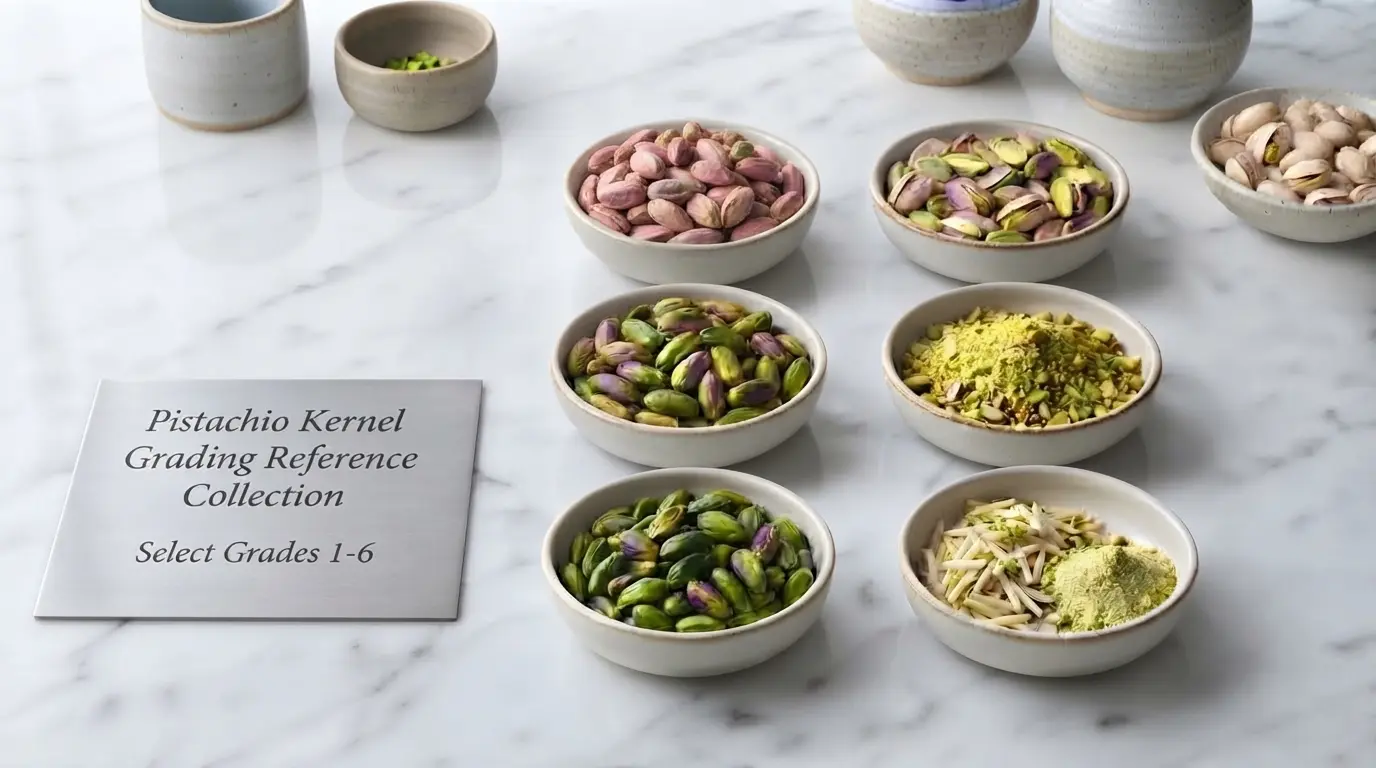
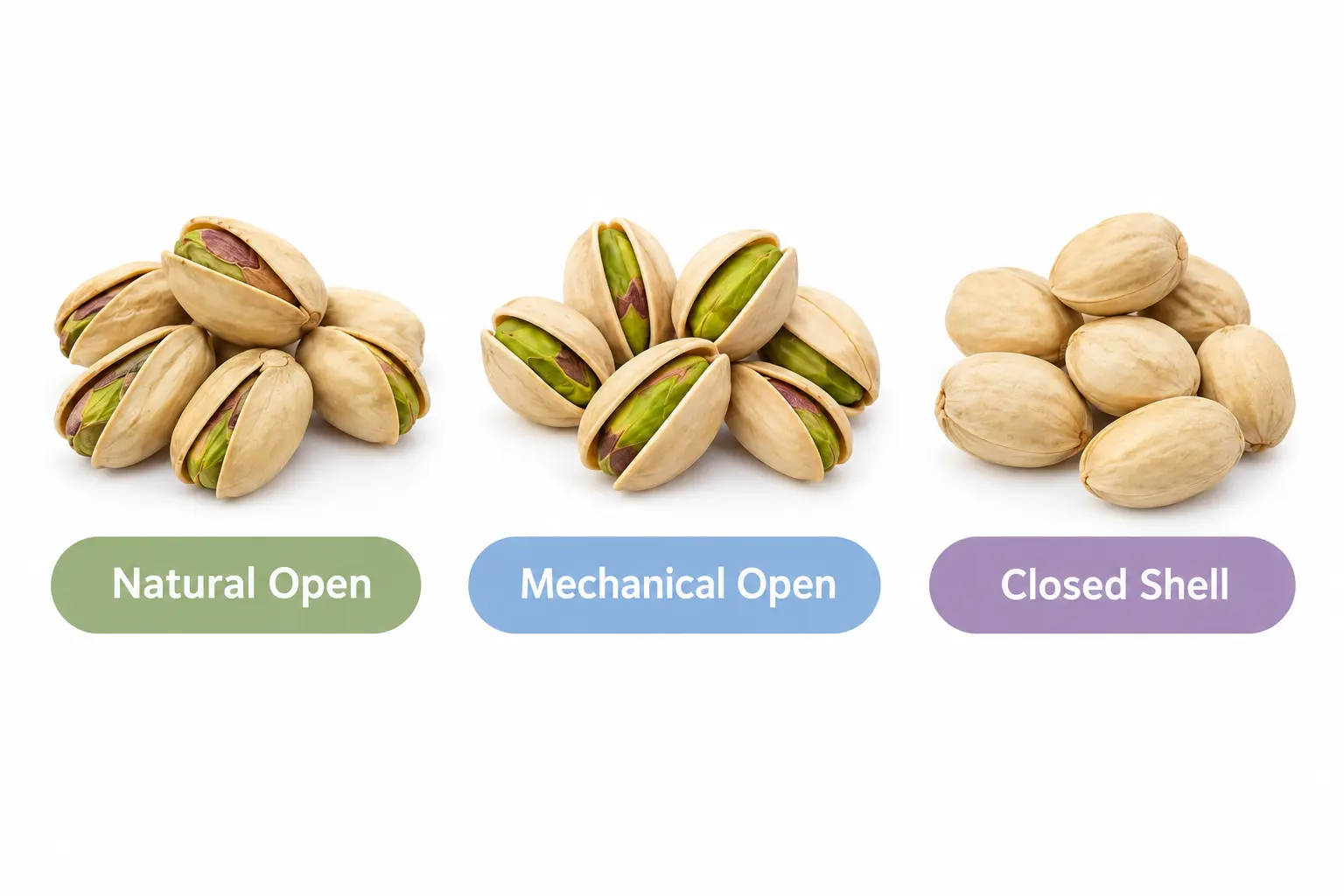
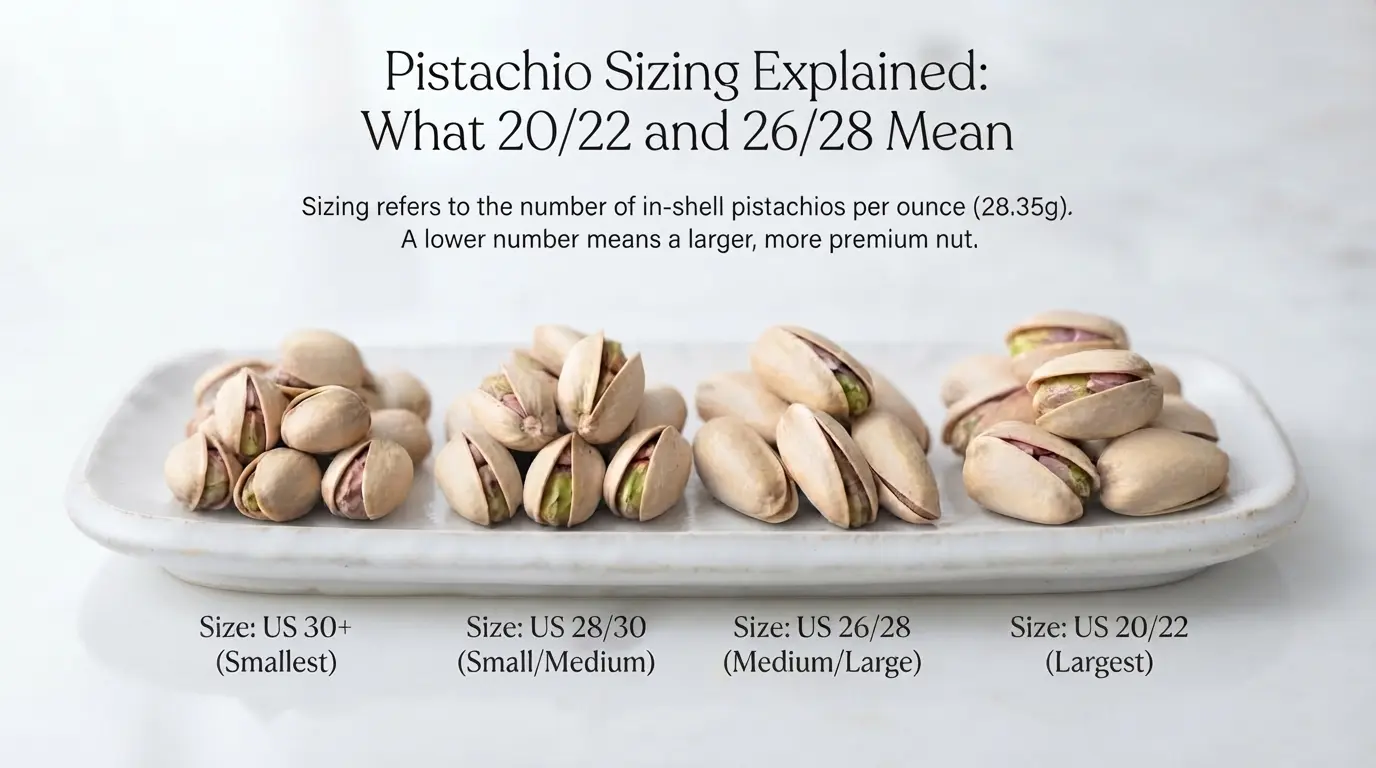
Dubai buyers are unusually mixed: retail and hospitality want large naturally open nuts such as Jumbo and Akbari; the region's bakeries and sweets factories want green kernel and cut formats; and re-exporters want price-competitive lines such as Fandoghi that travel well to price-led markets. A trader serving all three usually buys mixed containers and splits them in the free zone.
For the pricing logic behind all of this — why sizes, shell forms and timing move the number — see what sets the wholesale price of pistachios.
Questions buyers ask
Who registers pistachios for import into the UAE?
The UAE importer. In Dubai, food products and consignments are handled through Dubai Municipality's food import and re-export system, usually with a customs broker. Other emirates have their own food authorities.
What is the import duty on pistachios in the UAE?
The UAE applies the GCC common external tariff, which is 5% on most goods from outside the union. Confirm the exact rate for your HS code with your broker and budget VAT separately.
Can I store pistachios in a Dubai free zone and re-export them?
Yes. Free zones allow goods to be stored, repacked and traded outside the local customs territory, then shipped on. The destination country's rules and documents still apply to each onward shipment.
Can pistachios cleared in the UAE be sent to Saudi Arabia?
Yes. Under the GCC customs union, goods cleared at a UAE port can move to other member states without further customs restrictions, subject to each state's food and quarantine rules.
Does repacking in a free zone change the origin of pistachios?
No. Origin follows where the pistachios were grown and processed, and certificates must reflect that truthfully.
Buying for Dubai or the wider region?
We ship mixed containers that split cleanly by line. Request a quote or browse the product range.